
During the Great Depression, Palo Alto resident Josephine O'Hara sought to open a small museum catered to children. The Children's Museum opened several years later, and the space eventually expanded to include a zoo. Most recently, the Palo Alto Junior Museum and Zoo underwent a massive two-year $33 million renovation to expand its space from 19,000 square feet to almost 34,000. During the two-year overhaul, the facility was closed to guests. Today, more than 50 animal species call this location home, so take a moment to learn more about six of the coolest residents you'll find here.
Edward the African Spurred Tortoise
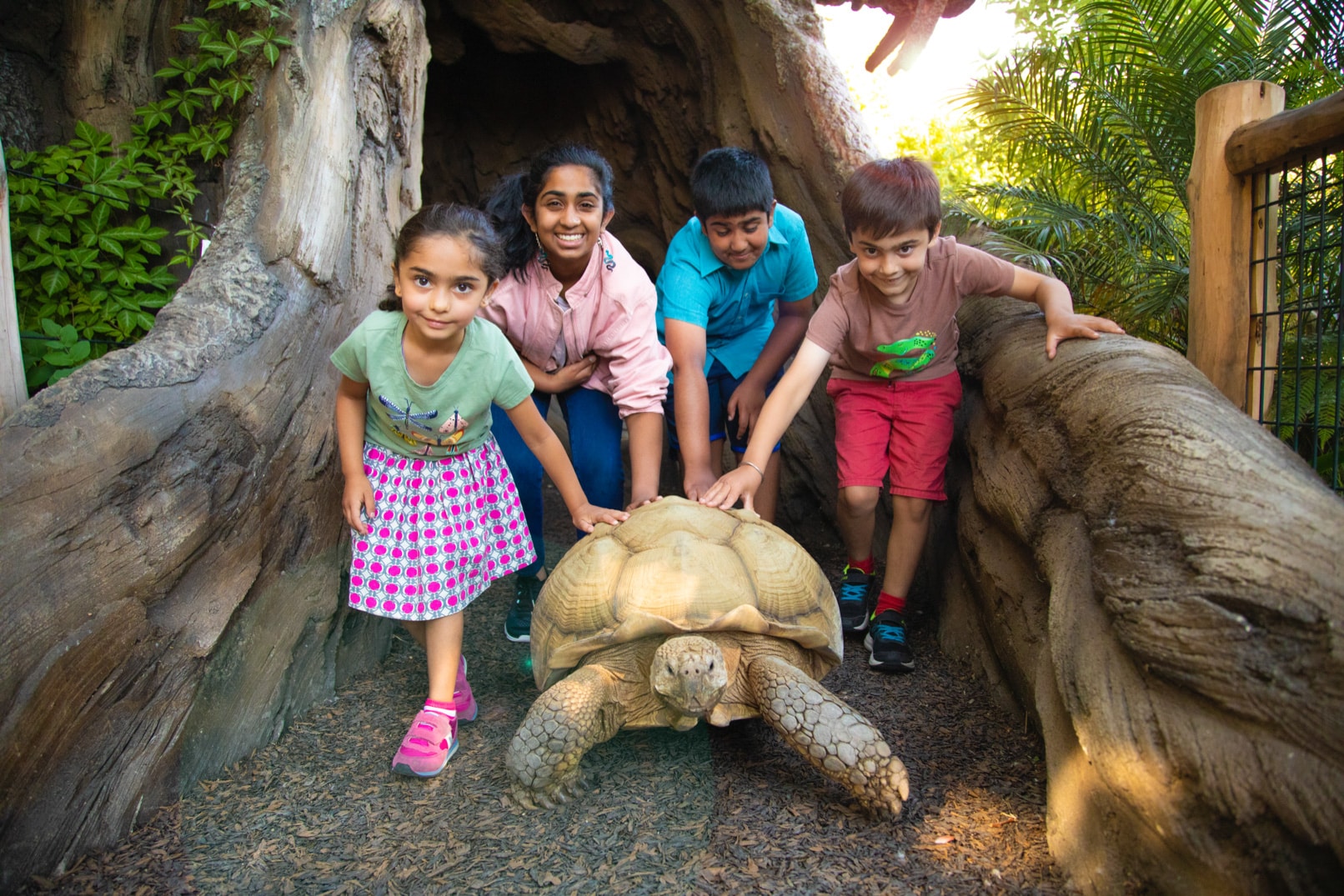
Edward, the 23-year-old African spurred tortoise, is the oldest and heaviest resident of the museum and zoo, weighing in at 140 pounds. African spurred tortoises, also called sulcata tortoises, typically live on the southern edge of the African Sahara Desert. They're the third-largest species of tortoises found in the world behind the Galapagos and Aldabra, but they're the largest mainland tortoises and reach up to 200 pounds.
As for Edward, zookeepers claim that whenever he meanders near the cichlid tank during his daily excursions, the fish swim nearby to get a better look at him. The zookeepers believe the cichlids may mistake Edward for a hippo. These fish often nibble algae and dead skin cells from hippos, and they seem eager to give Edward the same treatment.
Apu the Peacock
When you arrive, keep an eye out for the zoo's resident peacock, who has free reign of the entire outdoor enclosure. You might need to do some sleuthing to find Apu the Peacock, but his colorful blue and green plumage make him easier to spot.
Some scientists believe peacock feathers distract predators and draw them away from the nests. Others claim that peahens are attracted to these markings. Regardless, when you find Apu, you'll gaze in wonder at his fine tail feathers. A peacock's feathers are among the longest and most colorful of any bird, and they spread out in a distinctive train that makes up more than 60 percent of his total body length.
Get a closer look at Apu in the Wildlife Circle, where small groups of guests can explore and interact with the animals, including during feeding time. Zookeepers have trained the birds to create an interactive experience during meal time. Violet, the African spoonbill, responds to a honk, while Apu knows it's time to eat when he hears cymbals.
African Spoonbills
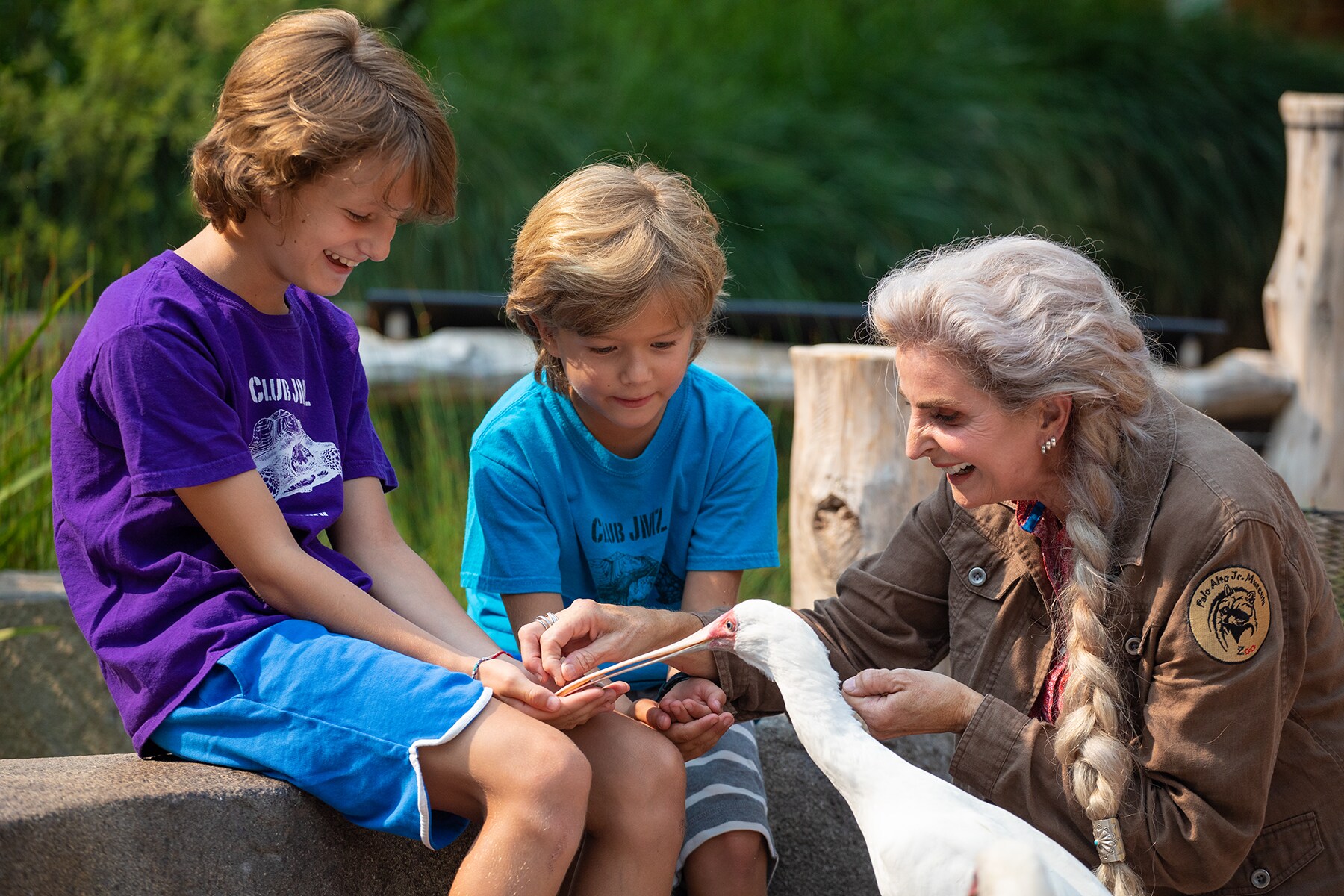
The zoo is home to two African spoonbill birds which previously lived at the Dallas Zoo. These birds are commonly found in Africa, but they're protected by the United Nations because they cross borders during their migration. Male and female spoonbills look the same, so it's a bit difficult to differentiate the genders. When they eat, spoonbills dip their long, spoon-shaped bill into the water and search for crustaceans, insects, and fish. Once they locate the food, the birds jerk their heads back to swallow.
Manusela the Salmon-Crested Cockatoo
Known as the stand-up comic of the zoo, Manusela, the salmon-crested cockatoo, keeps guests entertained. He's known to scale the net to get a better look at all the onlookers and bob his head. If you walk near his enclosure, he may engage you in a warbled conversation, so make sure you try to talk gibberish back to him. Although these birds aren't the best at talking, they can mimic sounds and are considered noisy birds because they will screech or scream for no reason.
This beautiful bird is primarily white with salmon-colored feathers. Manusela was gifted his name because the salmon-crested cockatoo has only been found naturally in Manseula National Park on Indonesia's largest island of Seram. This island is one of the few places in the world where this endangered species of cockatoo lives and mates for life.
Morty the Raccoon
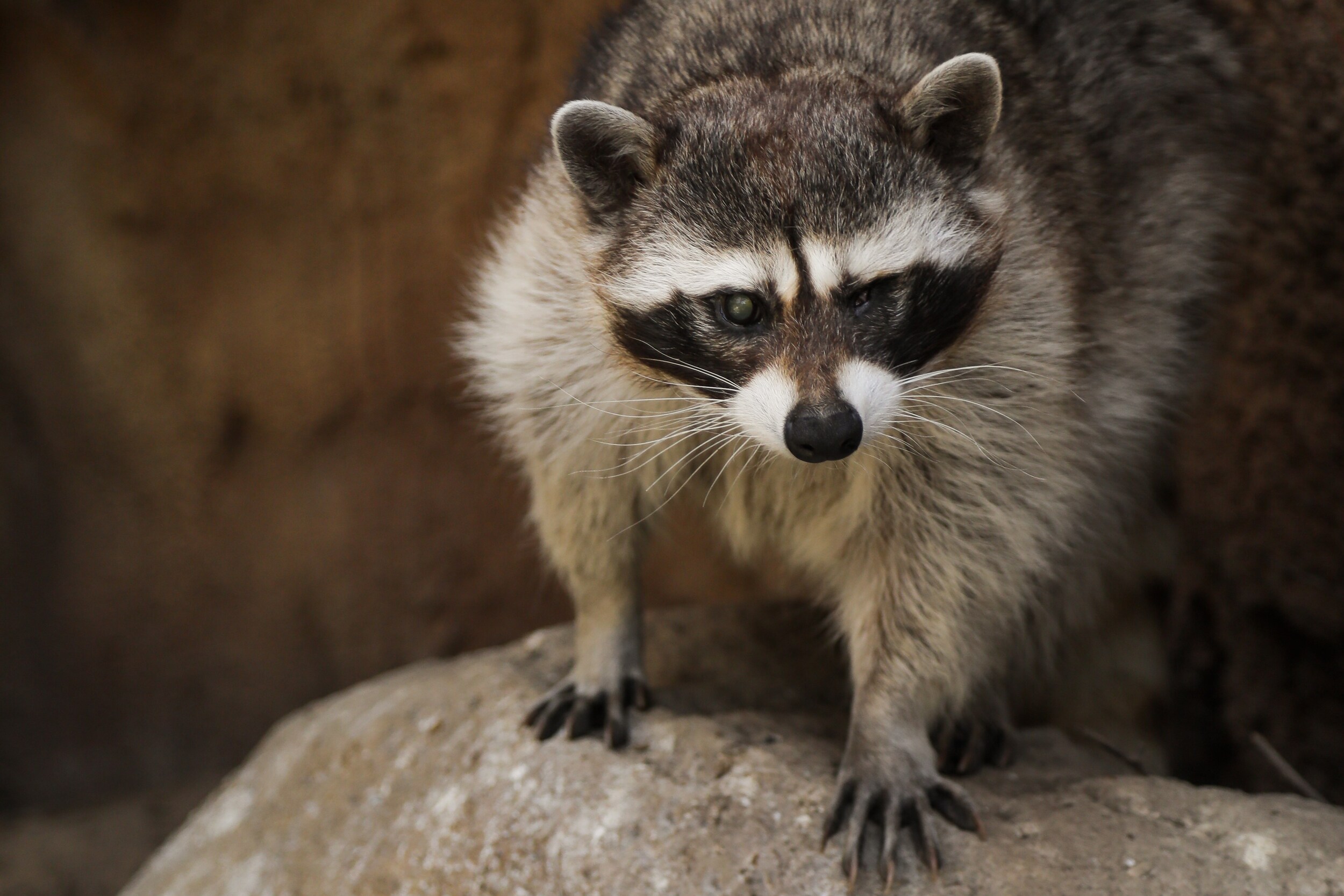
Born in May 2021, Morty the Raccoon didn't start out at the zoo, but he made his way there eventually by October of the same year. When he was relatively small, Morty was discovered in the Sierra area by a family. This family had hopes of raising Morty as a pet, but they quickly learned that raccoons are often difficult to tame and, not only that, illegal to own. So the family ended up sending Morty to a rehab facility in the Central Valley region, where the facility determined Morty couldn't be sent back into the wild.
As a result, Morty arrived at the zoo in October 2021 and has adjusted well to his new living arrangements. He lives with his roommate Bobby and enjoys eating celery. When you visit Morty, you might even see him carrying around his favorite toy — a Woodstock stuffed animal. In addition to Morty, be on the lookout for another raccoon called Loki, who was named after the Marvel character known as a cunning trickster god. Raccoons have a reputation for being mischievous thanks to their dexterous fingers, which allow them to open latches and steal food from garbage cans.
Slender-Tailed Meerkats
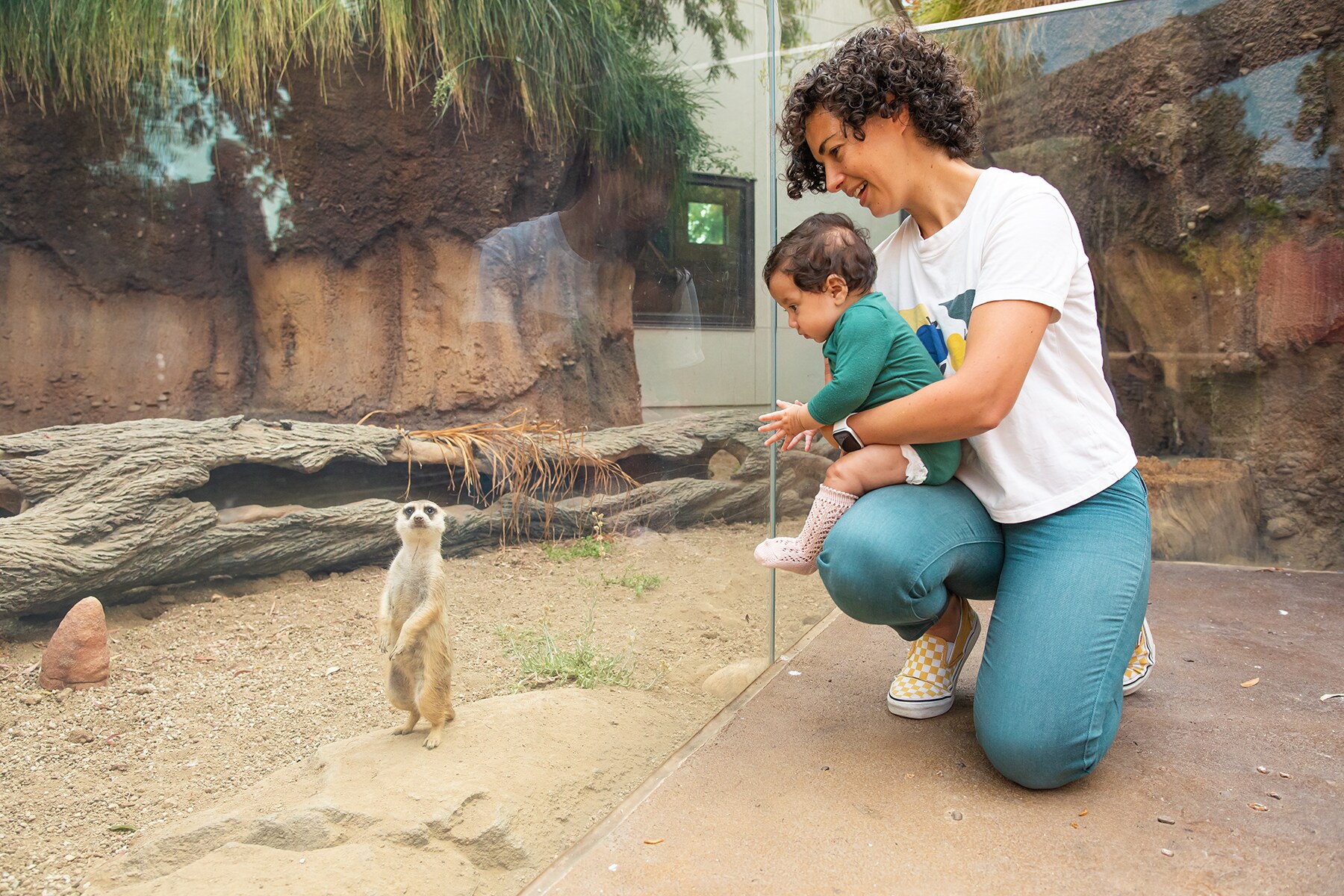
Walk up to the glass enclosure and get close to one of the zoo's slender-tailed meerkats. These playful creatures typically live in the deserts in Southern Africa in highly social groups. When you visit their exhibit, you may see one meerkat in the group rear up on its back legs and prop itself up with its tail. They stand like that to act as a lookout for potential danger while their pals forage for food. The meerkats will bark out a warning to their companions if they spot a predator.
Now you've learned a little bit more about several of the animals that call the Palo Alto Junior Museum and Zoo home. Be sure to visit them at 1451 Middlefield Road, Palo Alto, CA. They’re open Tuesday through Sunday from 10:00AM to 5:00PM PST.
What do you think of this list created by Volvo Cars Palo Alto? Did we highlight all the must-visit animals here, or did we miss one of your favorites? If we did, please call us at (650) 353-4700 or reach out to us using our online form and we'll add it to our list. We want to be certain to mention every noteworthy creature so guests can make sure to check them out, whether they live in the area or are merely visiting.
Image Credits: Animal Exhibits via Palo Alto Junior Museum and Zoo